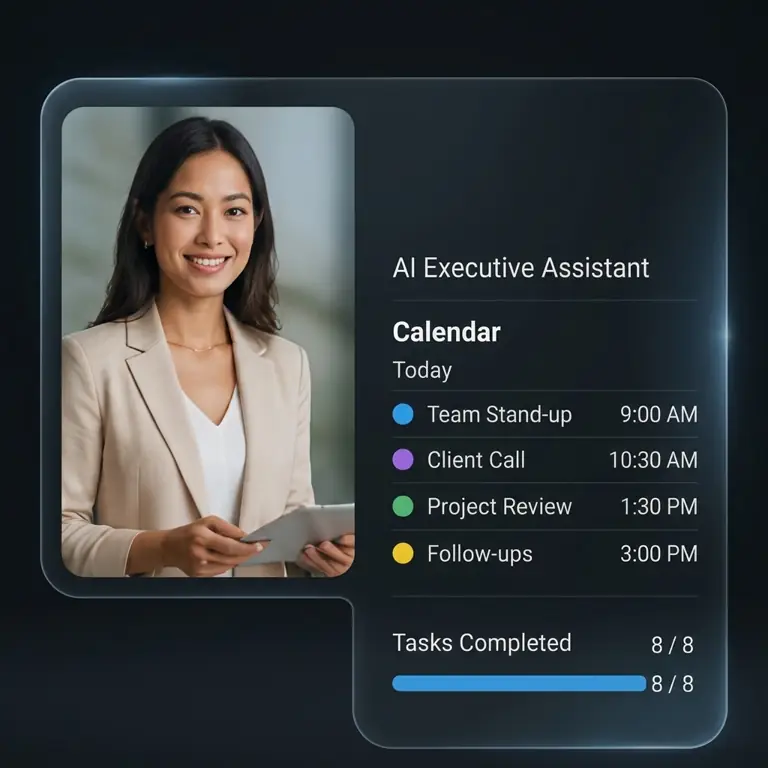
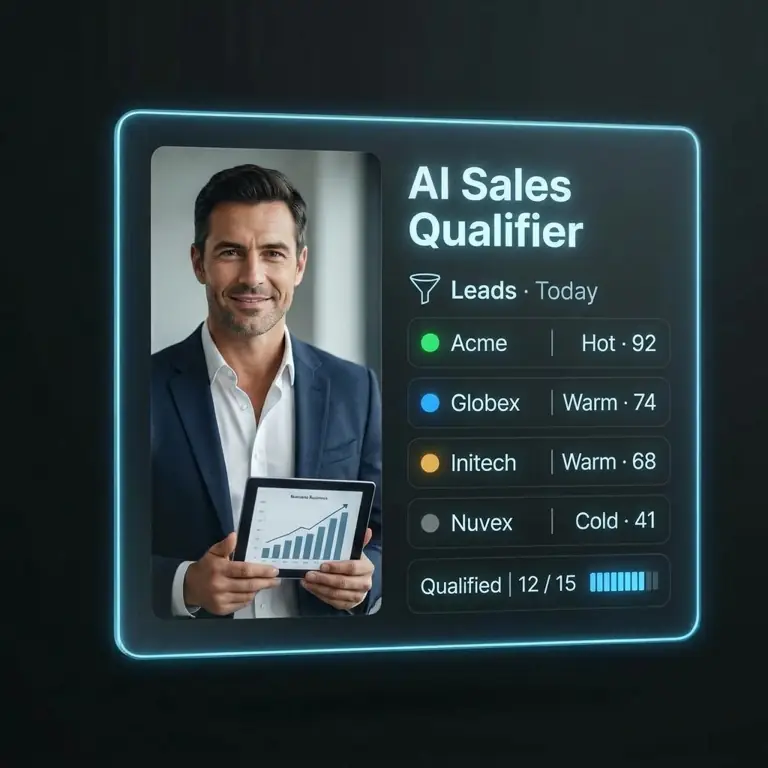
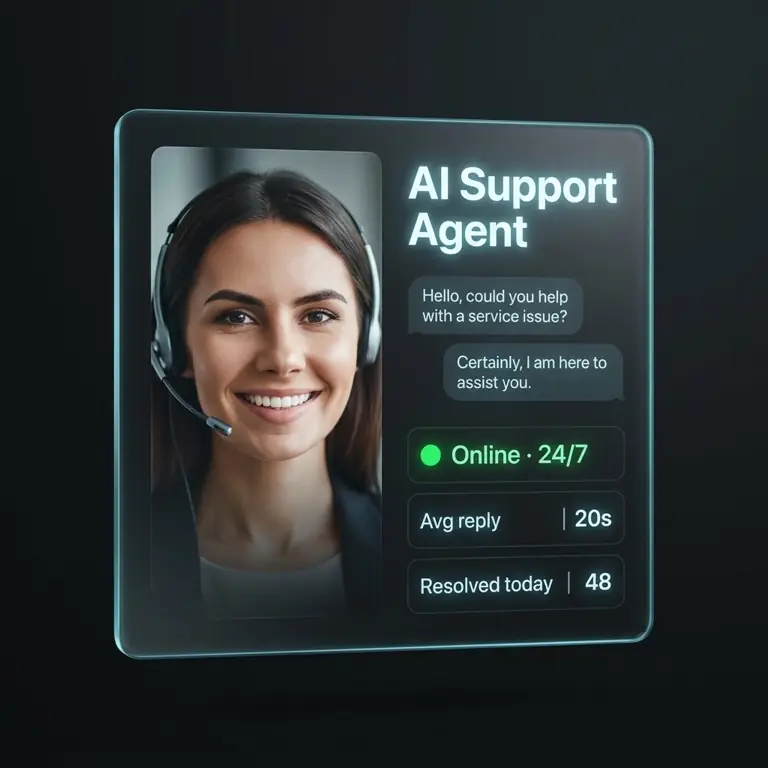
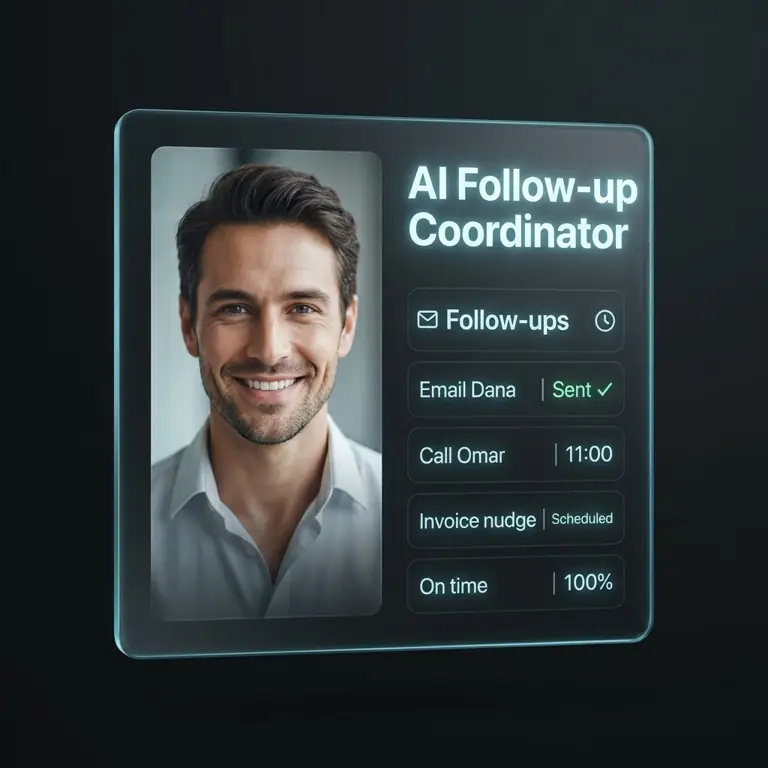
Your rules, from day one.
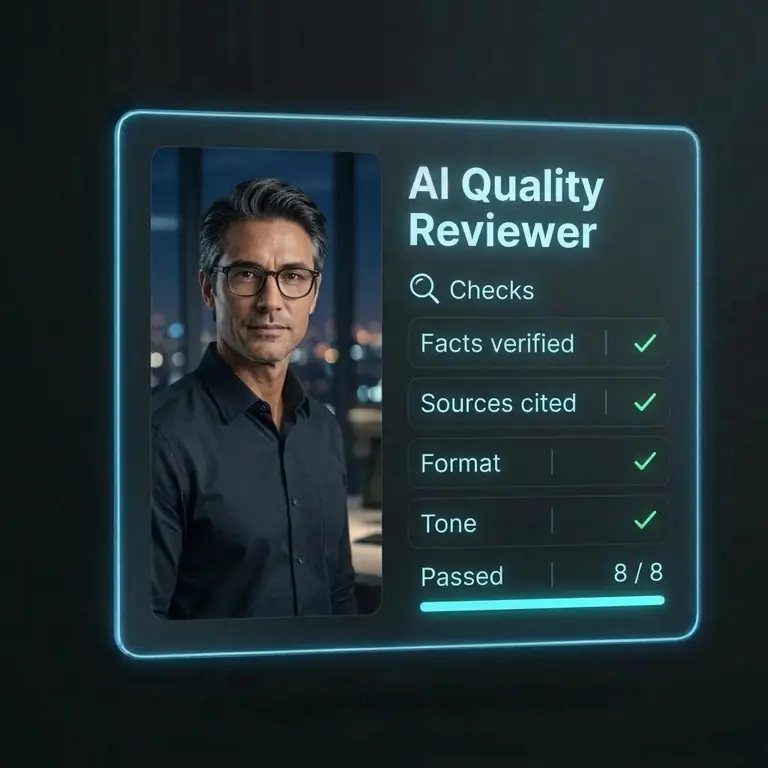
A hub starts with a written set of working rules its agents are held to.
Bring your own governance documents and the agents inherit them. Your documents outrank ours.

Watch it work
New here
Three words explain most of DUET, what the field calls multi-agent orchestration, run with a human in command.
An AI agent is an AI worker you give a job to. Unlike a chatbot that only answers, an agent can take steps and use tools to finish the job.
A hub is one shared workspace where you and your agents sit together, so you can see the work and step in at any point.
Several agents with different jobs, working on one goal. One plans, one checks, and so on. The roles are yours to set, and nothing goes out without your say-so.
Why a team
From scattered agents to one orchestrated team. Drag any node.
A look inside the hub
Every task is a ticket with an owner, a priority, and its full history attached.
Join the waitlistBacklog to done. Hand-offs between agents get their own lane, and you decide what matters most.
“The agents do the work in the open, on one record you can watch. You direct the team.”
DUET TeamsHow it works
You set one goal, the team lays it out on a board, agents work in parallel and hand off in the open, you review, and it comes back with its evidence and a trail.
One goal, plain language.
As tracked items on the board.
Agents run in parallel and hand off in the open.
Watch it, redirect, or move any card yourself.
Results land on one record, a trail you can follow.
Voice, anywhere
Speak to any agent on the hub, from your desk or your phone. Describe the outcome out loud and the team carries it the rest of the way, using the skills you gave it.
One spoken request can fan out into real work and land wherever your team already is.
“Pull last week’s numbers into a report and send it to the team.”
What it does
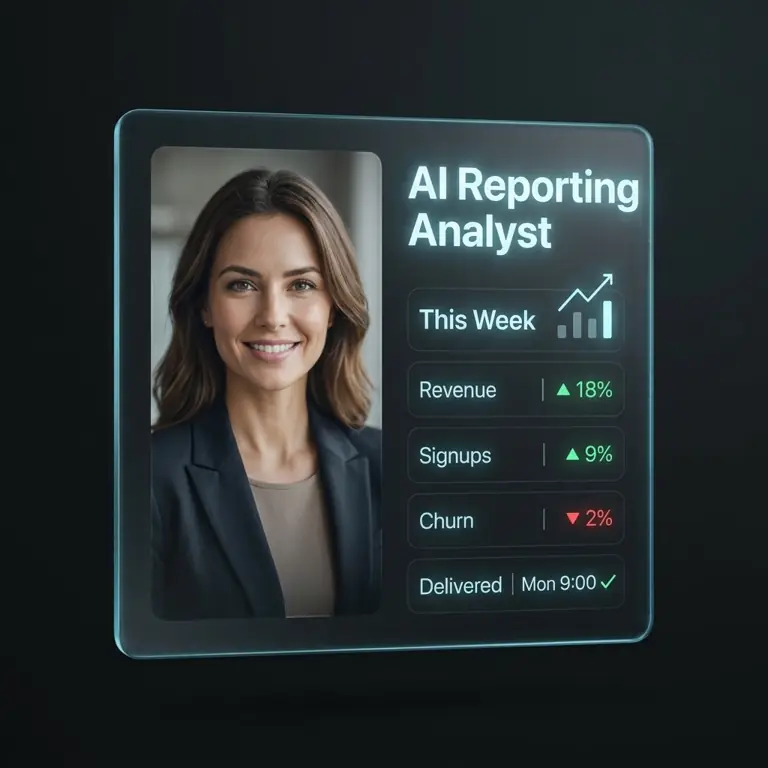
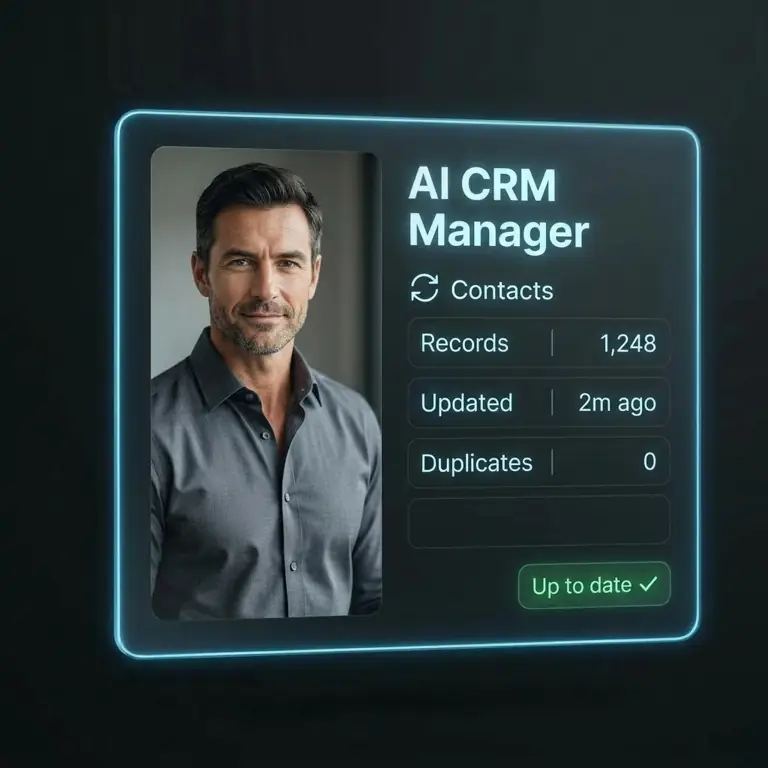
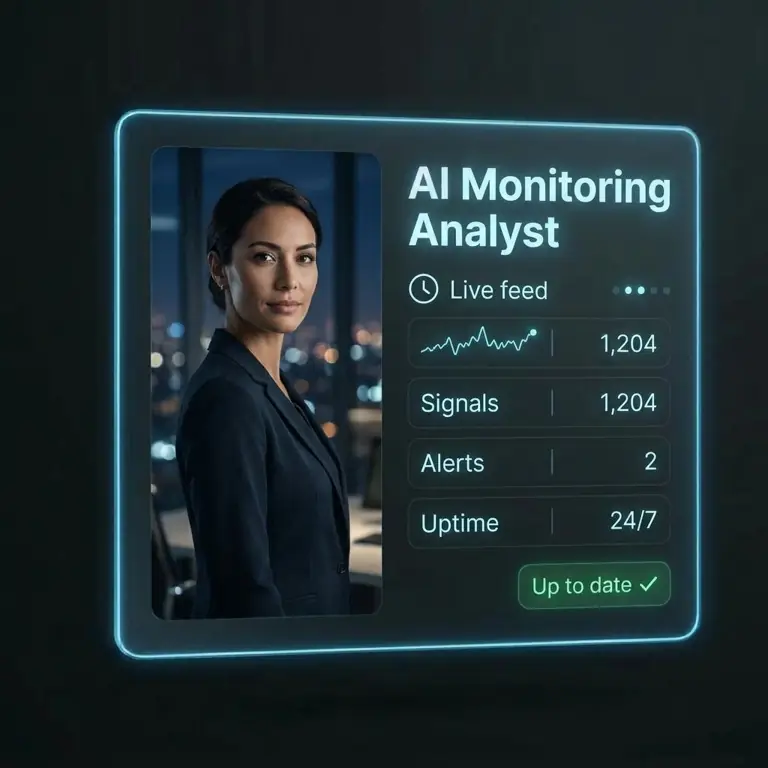
You hand over a whole job, not a task, and the team runs it. Roles are yours to decide, shaped to the problem in front of you. Three that show up in almost every business:
“I can’t keep up with everything I have to watch.”
Senses change, weighs it against your rules, acts within limits, and logs why, around the clock. Every change becomes a tracked card with an owner.
Tell us what you run“There’s more to do than people to do it.”
Hand over a goal or a backlog; the team breaks it down, works in parallel, and returns it reviewed. The backlog is the board, so you watch it drain.
Tell us what you run“This has to be done right, every single time.”
Produces the recurring deliverable, a report, a filing, a digest, the same correct way, with a paper trail. Each run leaves a signed-off card and a trail.
Tell us what you runNo prompt engineering
No. The team interviews you first. You describe the outcome in plain words or by voice, an agent in an advisor role turns it into a plan you can read and edit, and the team works from what you approve.
The prompting problem
Most people know what they want, not how to phrase it for a model. So DUET starts with questions, not a blank prompt box.
An agent in an advisor role turns your concept into a plain-markdown proposal with the open questions laid out, the questions a good analyst would ask. Approve it and the hub keeps it as the working rules your team follows; an agent in a guard role compares those rules against your policies and surfaces any conflict for you to settle.
proposal.md
# Proposal: draft for review
## Goal
Launch a weekly customer digest.
## Open questions
- [ ] Which audience segment first?
- [ ] Tone: formal or plain?
- [ ] Who approves before send?
> awaiting your answers..._
Draft · awaiting your approval
Oversight
Everything happens on one visible record, in the open. You can watch every hand-off and move any card yourself at any point.
Direct the team by speaking, and get spoken updates back.
Your stack
Yes. Your team plugs into the models, data, and channels you already use, through a connected layer, so it works inside your world instead of asking you to leave it. Through MCP, a team can also reach other agent tools, like Claude Cowork.
Connectors roll out per team · tell us your stack and we’ll wire it in
Governance
You get a record you can read and a trail nobody can quietly edit. Agents work in the open, on one shared record. A team of agents will do whatever nobody told it not to, so the question is not only what it can do, but what you can see.
We hold no ISO or international certification and we will not imply one. These are rules our agents are held to, not walls that make misbehaviour impossible, and the difference matters enough to print. What you get is a record you can read, a trail nobody can quietly edit, and rules that arrive with the team instead of after the first mistake.
Questions
Multi-agent orchestration is coordinating several AI agents so they work on one goal together: handing off, checking, and reporting back. DUET is the hub where that happens, with a human in command.
Yes, but in DUET they do it in the open, on one shared record, never in a hidden back channel. You can watch every hand-off.
Start small, a few roles for one job, and add agents when you hit a real bottleneck. We onboard teams by hand and design your first team with you.
Join the waitlist. We onboard teams by hand, a few at a time.
You’ve seen what a team does
We onboard teams by hand right now, a few at a time, so each one is built right. Tell us what you run and we’ll design your first team with you.
An AI agent framework for any industry. Built best-effort for a fast-moving field, honest about what’s live and what’s in design.

Talk with the team and other early users. Scan the code or use the link.